Soot That Corrodes While You Wait
Fire Damage Restoration in Santa Maria for properties facing smoke residue, structural charring, and ongoing chemical damage
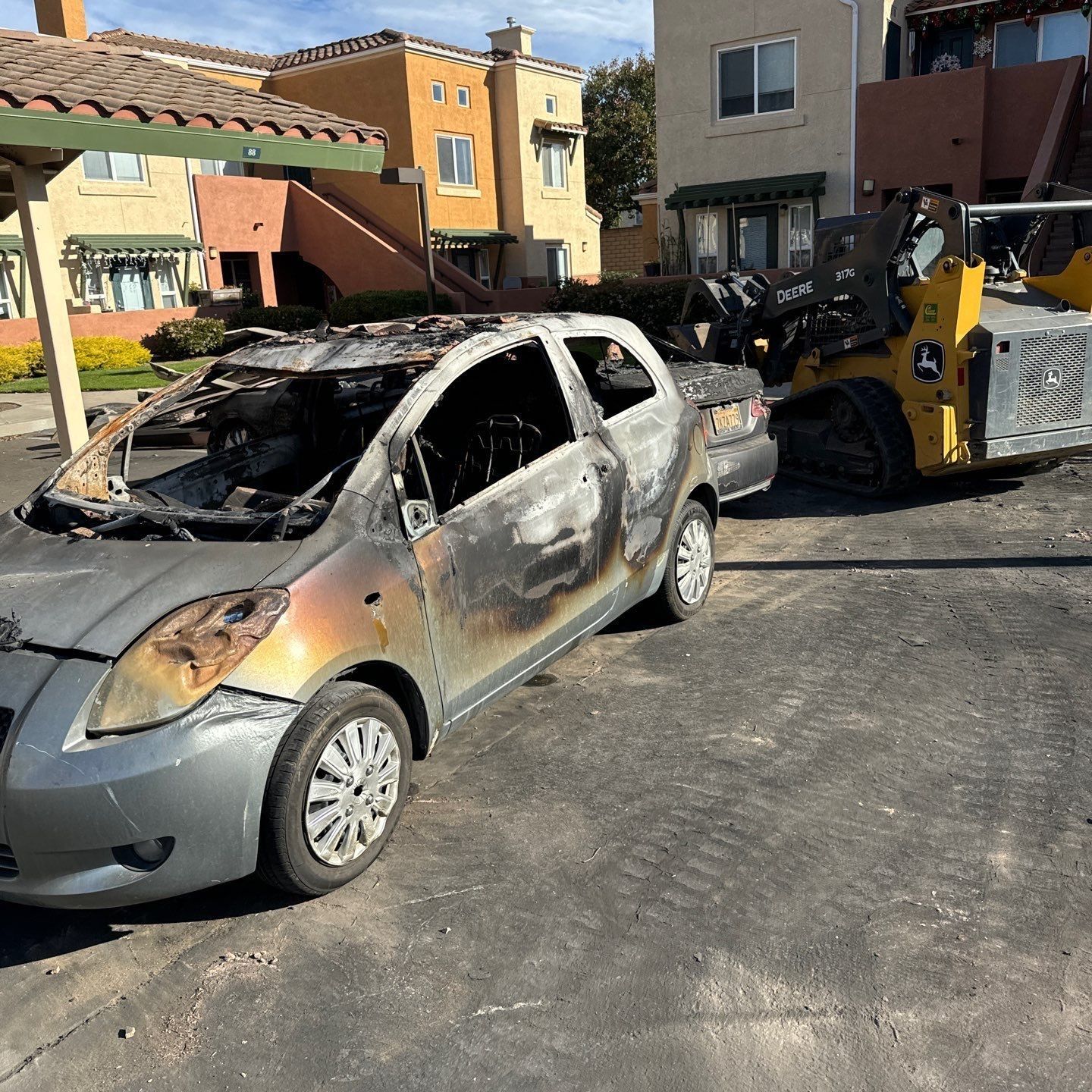
Fires leave behind more than visible charring—acidic soot deposits continue etching metal, glass, and painted surfaces while smoke odor penetrates porous materials and circulates through ductwork long after flames are extinguished. COASTAL RESTORATION SERVICES INC addresses fire damage restoration through immediate stabilization of the structure, removal of contaminated materials, and neutralization of corrosive residues before secondary damage compounds the loss. Properties in the Central Coast region face fire risk from electrical failures, cooking incidents, and seasonal wildfire exposure that can produce smoke infiltration even without direct flame contact.
Restoration starts with assessment of structural integrity and removal of unsalvageable materials including charred framing, melted wiring, and insulation that absorbed smoke particulates, followed by specialized cleaning of surfaces using dry chemical sponges for walls, HEPA vacuuming for textiles, and solvent-based treatments for metal fixtures that show early corrosion from acidic soot.
Request an emergency damage evaluation to document loss extent and begin securing the property.
What Changes After Smoke and Soot Removal
The cleanup process requires different approaches depending on soot type—protein residues from kitchen fires need enzyme treatments, while synthetic material combustion leaves oily deposits requiring solvent cleaning, and each surface material responds differently to cleaning agents. Technicians test inconspicuous areas first to verify treatments don't cause discoloration or finish damage, then systematically work through affected rooms removing residues that would otherwise continue off-gassing and corroding.
Once restoration work completes, you'll notice elimination of the acrid smell that permeates clothing and furniture after fire exposure, metal fixtures and appliances no longer show the cloudy film that develops from acidic soot contact, and walls return to cleanable surfaces rather than sticky residue that attracts additional dirt. Air quality also improves as particulate levels drop and smoke odor sources are removed rather than masked with fragrances.
Fire restoration includes coordination with emergency board up services when windows or exterior walls are compromised, creating secure barriers while cleanup progresses. The service does not include reconstruction of load-bearing structures or electrical system replacement—those require licensed contractors who work from the cleaned and stabilized platform restoration creates.
Common Questions After Fire Events
Fire damage calls arrive in the immediate aftermath of suppression when homeowners face overwhelming cleanup decisions and insurance coordination. These questions address what happens in those critical first days.
What gets removed versus cleaned after fire damage?
Materials that absorbed smoke deeply or suffered direct flame contact—including drywall with charring beyond surface level, insulation that held smoke particulates, and carpeting with melted fibers—typically require removal, while hard surfaces like tile, metal, and sealed wood usually respond to specialized cleaning if structurally sound.
How soon should fire restoration begin after suppression?
Restoration should start within hours of fire department clearance—soot residues etch glass and corrode metal progressively, smoke odor penetrates deeper into porous materials over time, and exposure to air accelerates oxidation of damaged surfaces.
Why does smoke odor persist even after visible soot is cleaned?
Smoke particulates infiltrate HVAC ductwork, settle behind wall cavities through electrical outlets, and absorb into insulation and subflooring where surface cleaning can't reach, requiring specialized equipment like ozone generators or thermal fogging to neutralize embedded odor sources.
What documentation is needed for insurance claims after fire loss?
Restoration companies photograph damage before cleanup begins, inventory removed materials with descriptions and quantities, log equipment usage and labor hours, and provide detailed scope documents that correlate specific cleaning methods to different surface types and damage levels.
When is a property safe to re-occupy after fire restoration?
Re-occupancy depends on completion of structural repairs, confirmation that air quality testing shows particulate and VOC levels within acceptable ranges, restoration of utilities by licensed tradespeople, and final inspection approval from local building authorities in Santa Maria.
COASTAL RESTORATION SERVICES INC mobilizes fire damage response teams in Santa Maria immediately after emergency calls. Call the office to initiate property stabilization and begin the documentation process required for insurance coordination and restoration planning.